The Allure of Casinos
The allure of casinos is deeply rooted in human psychology, drawing individuals into a world filled with vibrant lights, engaging sounds, and the tantalizing promise of fortune. This sensory-rich environment is designed to stimulate the senses, creating a euphoric atmosphere that can lead to impulsive behavior. When players enter a casino, they are often greeted by the mesmerizing sight of flashing slot machines, the clattering of chips, and the cheers of winners, all of which ignite excitement and anticipation, especially when they enjoy a fast withdrawal casino experience that keeps the thrill alive and enhances their gaming journey.
Moreover, the layouts of casinos are strategically designed to maximize player engagement. The absence of clocks, combined with the enticing ambiance, creates a sense of timelessness, encouraging guests to lose track of time while pursuing their gaming passions. This design encourages exploration of various gaming options, allowing players to seamlessly shift from one game to another, further immersing them in the experience. As a result, the physical environment plays a crucial role in establishing a psychological framework that supports and enhances gaming behaviors.
Psychological theories, such as operant conditioning, also help explain why individuals return to casinos despite potential losses. Positive reinforcement, in the form of wins or the mere thrill of playing, encourages repeat behavior. Even small wins can provide a sense of achievement, reinforcing the idea that luck is just around the corner. Thus, players may find themselves caught in a cycle of gambling, hoping for a bigger payout that fuels their ongoing participation in the casino scene. This cycle is further perpetuated by the vibrant atmosphere and the social interactions that casinos foster.
Risk and Reward Perception
The perception of risk and reward significantly influences gambling habits, shaping how individuals approach casino games. Many gamblers possess a natural inclination toward risk-seeking behavior, deriving thrill and excitement from the uncertainties that gaming offers. The potential for substantial rewards can often overshadow the risks of financial loss, leading to impulsive decision-making. This phenomenon is particularly evident in games of chance, where the excitement of winning can feel intoxicating. Players may develop a skewed understanding of probabilities, believing that their chances of winning increase with continued play, despite the odds being firmly against them.
Cognitive biases play a significant role in shaping these perceptions. For instance, the illusion of control can lead players to believe that their choices directly impact game outcomes, despite the randomness of most casino games. This misinterpretation of agency can reinforce gambling habits, as players feel empowered to influence results. The result is a paradox where the excitement of potential winnings can blind individuals to the inherent risks, thus perpetuating their engagement with gaming activities. Consequently, the allure of possible rewards continues to overshadow the rational assessment of risks involved in gambling.

Another crucial aspect of risk and reward perception is the concept of near-misses. In scenarios where players come close to winning but ultimately lose, their brains often interpret these experiences as a sign of impending success. This can create a psychological 'high' and motivate further gambling, as individuals believe they are on the verge of a breakthrough. The continuous cycle of near-wins fosters addiction, making it challenging for individuals to step away from the table or machine, even when faced with significant losses. This cognitive distortion can trap players in a relentless pursuit of elusive victories.
Social Influences and Community
The social environment of casinos plays a pivotal role in shaping gaming habits. Many individuals are drawn to casinos not just for the games but also for the opportunities to socialize and connect with others. The communal aspect of gaming fosters a sense of belonging and camaraderie, enhancing the overall experience. Players often form connections with fellow gamblers, sharing stories and celebrating wins together, creating an environment conducive to repeat visits. This social interaction can act as a buffer against the negatives of gambling, making it more appealing and less isolating than it might otherwise be.
Furthermore, peer influence is a powerful factor in gambling behavior. Individuals are often more inclined to gamble when surrounded by friends who are participating in the same activities. This group dynamic can lead to an escalation of gaming habits, as players feel social pressure to engage and enjoy the experience. Additionally, the presence of charismatic dealers or attentive staff can further enhance the social experience, encouraging guests to stay longer and engage more deeply in their gaming habits. The excitement of shared experiences often amplifies the overall enjoyment of gaming.
The rise of online gambling platforms has also transformed the social landscape of gaming. Players now have access to virtual communities where they can connect with like-minded individuals, share experiences, and celebrate wins from the comfort of their own homes. While this offers convenience, it can also lead to increased isolation, as social interaction becomes limited to digital spaces. Consequently, the traditional social aspects of casino gaming are evolving, yet they remain integral to understanding the psychology behind gambling habits. The interplay between social dynamics and gaming remains a critical area of interest for both researchers and those in the gaming industry.
The Role of Emotional Experience
Emotions play a significant role in driving gambling behavior, affecting decision-making processes and influencing how individuals experience gaming. Many players enter casinos seeking an escape from the pressures of daily life, hoping to experience thrills that provide temporary relief from stress or anxiety. This emotional connection can deepen their attachment to gaming activities and create a cycle of reliance on gambling as a source of excitement and emotional satisfaction. The highs of winning can lead to euphoric feelings, while losses can evoke stress and frustration, often prompting players to chase losses in an attempt to regain emotional equilibrium.
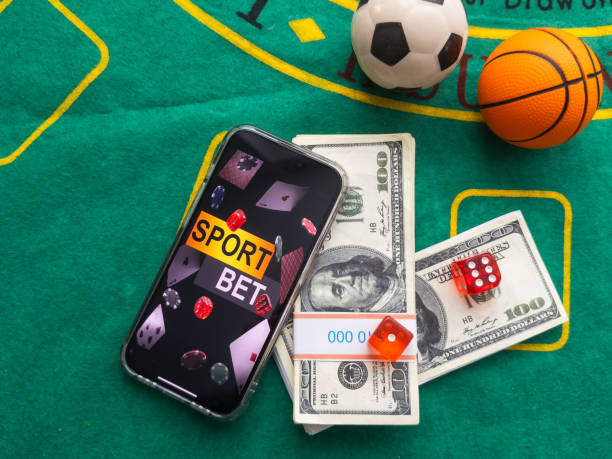
Moreover, the concept of "gambling as entertainment" ties into the emotional experiences associated with gaming. For many, the excitement of the gamble is akin to watching an exhilarating movie or attending a live sports event. The emotional arousal that accompanies betting—whether it's the anticipation during a spin or the suspense of a card flip—keeps players engaged, often leading them to prioritize these feelings over financial considerations. Therefore, understanding the emotional underpinnings of casino gaming habits can provide valuable insights into why individuals may continue to gamble despite facing negative consequences.
Finally, emotional regulation strategies are critical in the context of gambling. Some players may utilize gambling as a way to manage their feelings, whether to relieve stress or cope with loneliness. This emotional reliance can exacerbate problematic gambling behaviors, as individuals may resort to gaming as a maladaptive coping mechanism. Recognizing the interplay between emotions and gambling habits can facilitate better awareness and intervention strategies for individuals struggling with gambling-related issues, ultimately helping them to seek healthier outlets for their emotional needs.
Understanding Gaming Habits Through Research
Research into the psychology of gambling provides essential insights into the complex behaviors associated with casino gaming. Psychological studies have explored various factors influencing gambling habits, including cognitive, emotional, and social elements. By employing empirical methods, researchers can uncover patterns and correlations that help explain why individuals engage in gambling behaviors. This research enables a deeper understanding of both the motivations behind gaming and the risk factors that contribute to problematic gambling. Understanding these elements is vital for developing effective prevention and treatment strategies.
Qualitative research methods, such as interviews and focus groups, further enrich our understanding of gaming habits. These studies often reveal personal narratives and unique experiences that quantitative data may not capture. Through these insights, researchers can identify the emotional and psychological drivers behind gaming, shedding light on the diverse motivations of gamblers. This knowledge is crucial for developing effective prevention and treatment programs for those at risk of gambling addiction, which remains a critical public health concern that needs addressing.
In conclusion, continuing to explore the psychology behind casino gaming habits is essential for informing practices in both gambling regulation and mental health support. The insights gained from psychological research can shape interventions that address not only the behaviors associated with gambling but also the underlying emotional and cognitive processes that drive them. As we strive to understand the nuances of gambling habits, we can create a more informed community and develop strategies that promote responsible gaming practices, ultimately contributing to healthier gaming environments for all.